Do you have lots of random aches and pain in your muscles, joints and nerves that really make you feel rough? Then, they may disappear as quickly as they arrived (or sometimes stick around). You may have been diagnosed with Tennis elbow, Carpal tunnel, Fibromyalgia, Tendonitis, Plantar fasciitis…you are certainly not alone and I’d like to explain why this is happening!
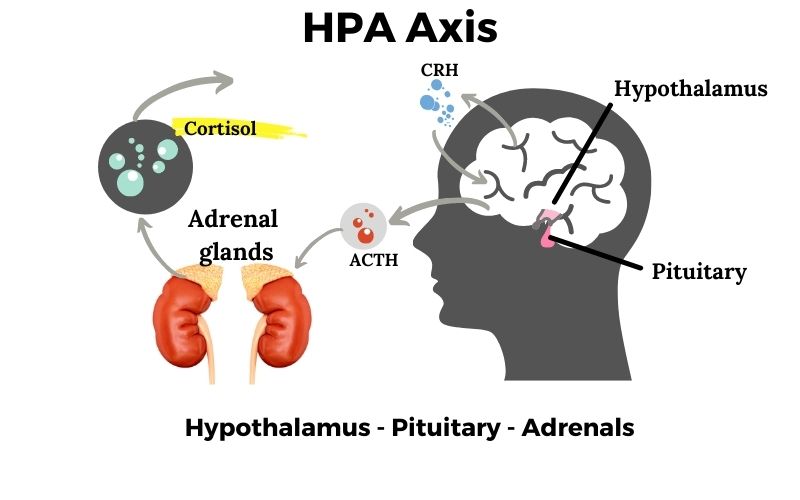
As I mentioned in my previous blog, during all stages of Menopause the decline of Oestrogen causes our bodies to try to rebalance or reach Homeostasis. This mainly happens in the HPA axis (Hypothalamus, pituitary, Adrenal axis) these glands all produce hormones which work in conjunction with our reproductive hormones.
When Oestrogen declines during Menopause the HPA axis can become dysregulated and the body will interpret this as a threat, Cortisol is produced as a result (our flight or fight hormone). Inflammatory pathways are triggered if Cortisol is consistently high, which is often the case during our menopause transition due to many ‘stressors ‘. These include social, environmental and dietary factors. This is why we end up with sore joints and muscles, gut problems such as IBS, and all the other serious and sometimes life-threatening health issues I mentioned in my previous blog.
But the good news is – there are a lot of things we can do to mitigate these inflammatory responses and therefore reduce our symptoms, rather than resorting to anti-inflammatory drugs such as Ibuprofen, Nurofen and pain killers such as paracetamol. I remember at one stage of my Menopause, I was taking both Paracetamol and Ibuprofen every 4 hours most days just to get me through! I know this is common. Now I very rarely think of taking a tablet.
HRT (Hormone replacement therapy) can help some people greatly, but not everyone can or wants to take it, and some people find little or no improvement. For me a combination of HRT (Bio identical) and the Nutrition and Lifestyle solutions I now teach the clients I am coaching worked best, but HRT alone did not. I know that the recent controversy over High dose Oestrogen on Panorama will have scared people, which is a real shame because managed correctly and combined with the right Nutrition & Lifestyle choices HRT is a life saver for some women.
In this blog, I will give you a summary of some of the natural solutions which help with inflammation, but as you will see, there are many factors involved. Sticking with all these changes can be challenging (which is where I come in), if you try to implement them all at once it will not be achievable and you will most likely become overwhelmed and set yourself up for failure. So working with someone who can guide you through it is the best option – I would say that I know, but I like to think I am a pretty good advert for how you can improve your health and lose weight using this approach, when I think of where I was and where I am now – have a read of my “about page ” and you will see what I mean!
Sleep – Getting a good night’s sleep most nights (7-8 hours of good quality sleep) is essential, and it is the foundation for everything else. If you only do one thing, focus on sleep. If you don’t sleep, you don’t heal, and your inflammation will escalate. If you are trying to lose weight, sleep is essential as this is when we burn fat , if you don’t sleep you will store more fat.”
“Obeisity has been associated with both shorter sleep duration” (cappuccio et al 2008;Gangwisch et al 2005) “and poor sleep quality” (Quick et al., 2013; Taheri et al., 2004 ; Twaoroger et al.,2005)
Part of my role will be to work with you on a tailored sleep regime.
The right type of exercise – once you have mastered the art of sleeping, the next thing to think about is exercise. Many women find that doing the exercise they have habitually done for decades no longer works for them once they start to go through menopause. Some increase the intensity and volume of exercise in an attempt to lose weight, and because it helps their mood, but unless you are sleeping, this is the absolute opposite to what your body needs. You may find that your muscles & joints become sore after even the slightest exercise and you feel permanently exhausted. This is because your muscles and joints have Oestrogen receptors which normally help them to heal and repair, and this usually happens when you are asleep… so if you are not sleeping and your Oestrogen levels are in decline, then repair and healing is very slow. there are other more complex factors at play here with other hormones but we will be here all day if I get into that now!
What you need first is Aerobic exercise. Because your Mitochondria (where energy is produced in your cells) need oxygen, but how much you need will vary from person to person and this will also form part of your coaching plan based on your unique Health history and where you are in your menopause journey.
The right kind of food & not too much– This is too complex to go into in detail now, but I will be writing a lot more about the right kind of food for Menopause.
Following a Mediterranean type diet which is mainly plant based (80% of your plate of food) and include a small amount of fermented dairy (Greek yoghurt & cheese for example), oily fish once or twice a week, Nuts, seeds & wholegrains, whole veg and fruit & only a small amount of red meat (best quality you can afford) once a week.
This would be a great starting place. Again, people have different dietary requirements and depending on your gut health, the amount of abdominal fat you are carrying and level of inflammation your needs will vary.
I will be sharing some of my favourite menopause friendly recipes on my website, and if you have any recipes you would like to share, I’d love to hear from you.
If you join me for a 12 week course I will share recipes and Nutritional guidance tailored specifically to your requirements based on your unique set of symptoms.
Stress Management– Chronic Stress is our nemesis in Menopause. Stressors include Social (Caring for Family, friends, work) when we reach midlife we are often caring for our elderly parents, or struggling with bereavement, may still have older children living at home, or they may be leaving home and we are faced with empty nest syndrome, working full time in stressful jobs… but I don’t need to tell you all this, you already know!
Environmental (pollutants – what we eat, including highly processed and high sugar food, chemicals we ingest or absorb via transdermal means (through our skin) in creams and lotions etc. Behavioural (including over exercising or being too sedentary) & Life history all have an impact on our bodies . All of these factors can mean that our cortisol (stress hormone) is constantly high and as I explained at the beginning this, combined with Oestrogen and progesterone declining can cause an imbalance in the HAP axis which leads to hormone chaos, increased inflammation, sleep disruption etc.
Interestingly, one of the main functions of Cortisol is to prevent insulin entering our cells (insulin is released when our blood sugar is high) so that glucose can be used for immediate energy in fight or flight mode when faced with a threat. This can lead to insulin resistance & diabetes if cortisol levels are constantly high.
So, you can see why we need to find strategies to manage stress levels. Part of my role as a health coach is to look at your allostatic load (all the different stressors impacting your health) and to help you build a coaching plan to address and manage these factors.
A few simple things you can try straight away are:
Breathe! Diaphragmatic breathing– Did you know that during Menopause your lung function can change and your lung capacity can reduce by up to 1 litre in post-menopause due to declining Oestrogen levels, meaning that lung tissue becomes less elastic.
Practicing Diaphragmatic or ‘Belly breathing’ (slow, deep breathing engaging your Diaphragm) can really help improve lung function by increasing oxygen, it also reduces your blood pressure, slows the heart rate and triggers our parasympathetic nervous system (rest and digest mode) via the Vagus nerve which passes through the diaphragm.
We often hold our breath or take shallow short breaths when stressed, so become mindful of your breathing throughout the day.
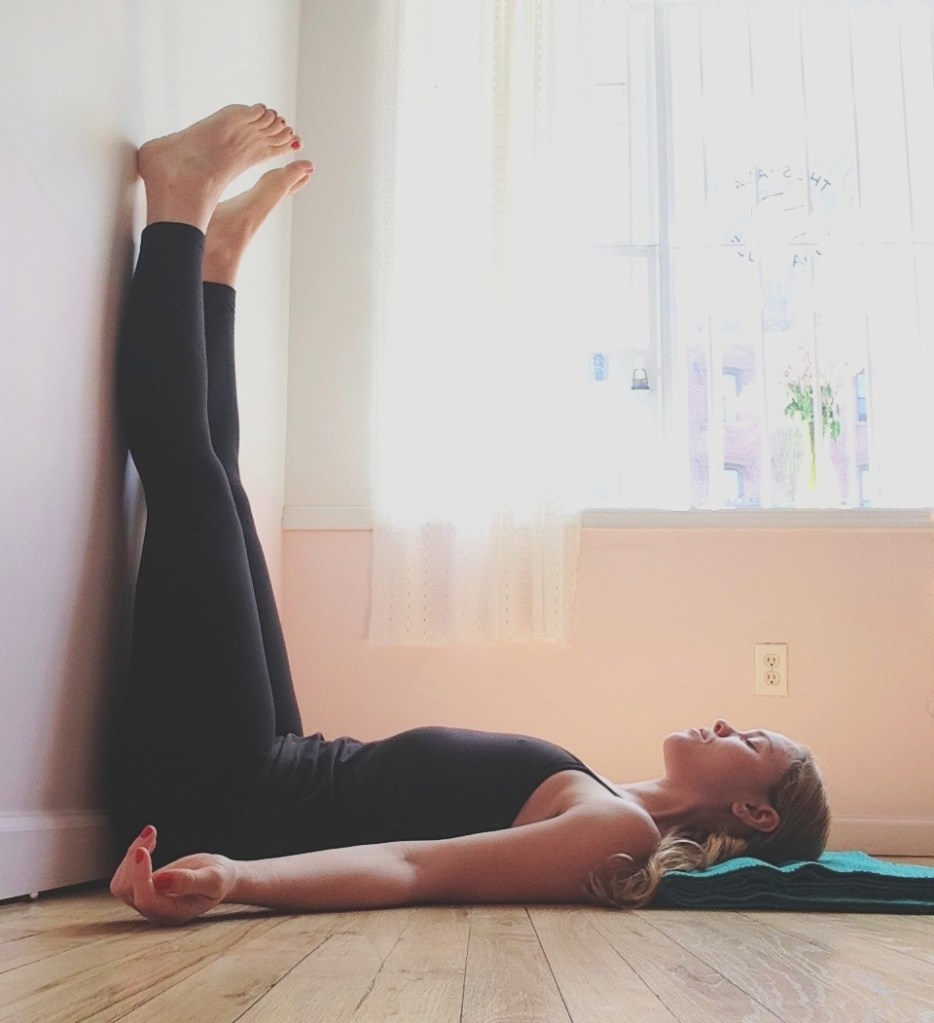
Inversions – legs up the wall. I find this exercise really calming combined with diaphragmatic breathing, especially before bed.
Give it a try and let me know if it works for you too. Lie on the floor next to a wall.
Shuffle over so that your glutes are against the wall and turn so that your legs are in a vertical position up the wall.
Lie like this for 10 mins before bed and do some long slow breathing. Try to clear your mind and relax.
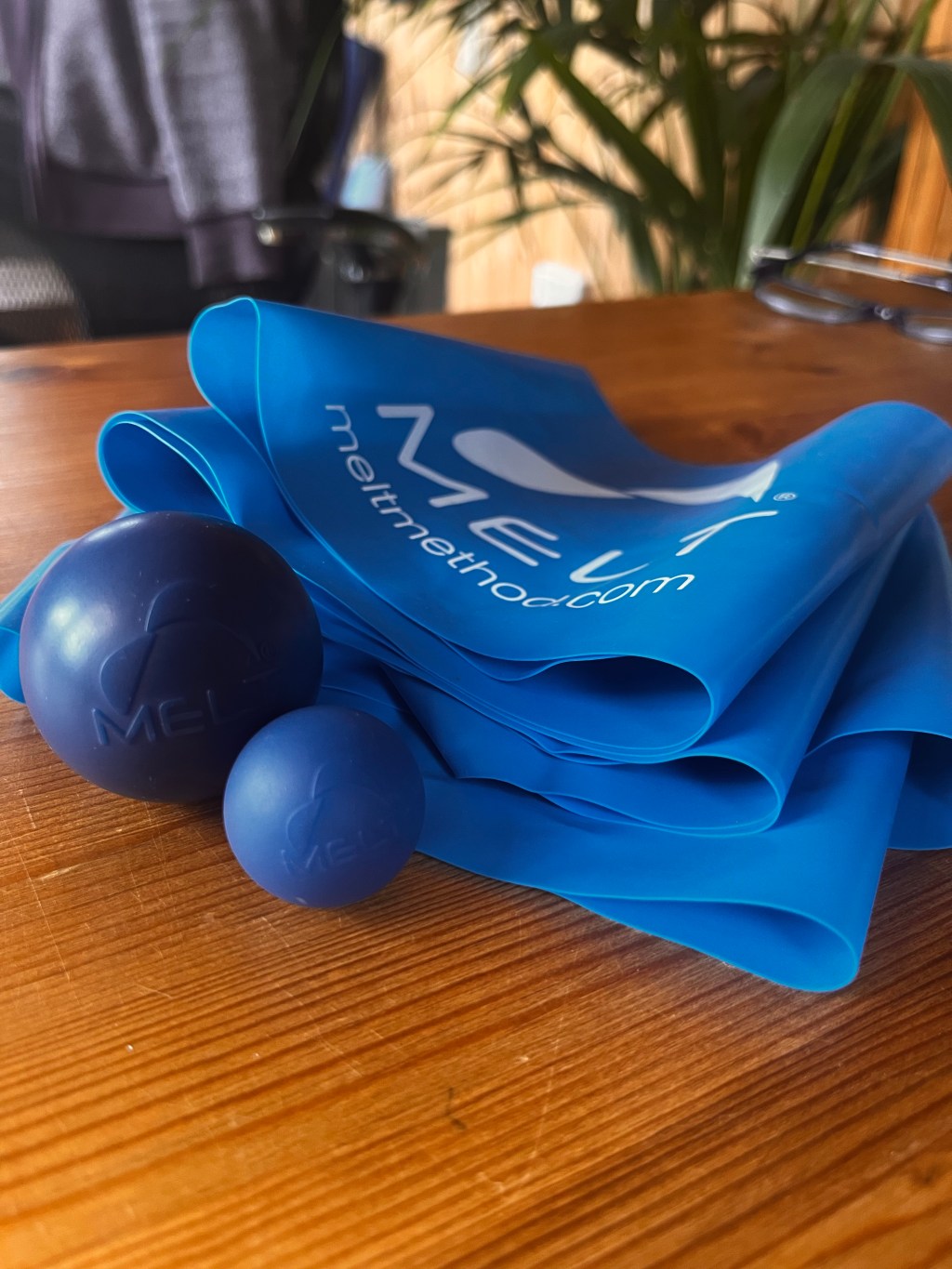
Gentle stretching exercises– Yoga , Pilates, Melt or just gentle stretching can really help you to relax.
Consider doing more vigorous or intense exercises earlier in the day rather than in the evening, especially if you are struggling to sleep. Your cortisol levels should be lower in the evenings to help sleep (remember Cortisol is your “get up and go” hormone).
If you are struggling with Menopause symptoms and considering working with me on my 12 week one to one program please don’t hesitate to get in touch for a free discovery call or drop me an email .
Email: Nicky@nickydearhealthcoach.com
Mobile: 07407281148





 Nicky Dear Health Coach
Leave a Reply to HRT changes and Me – Nicky Dear Health Coach Cancel reply