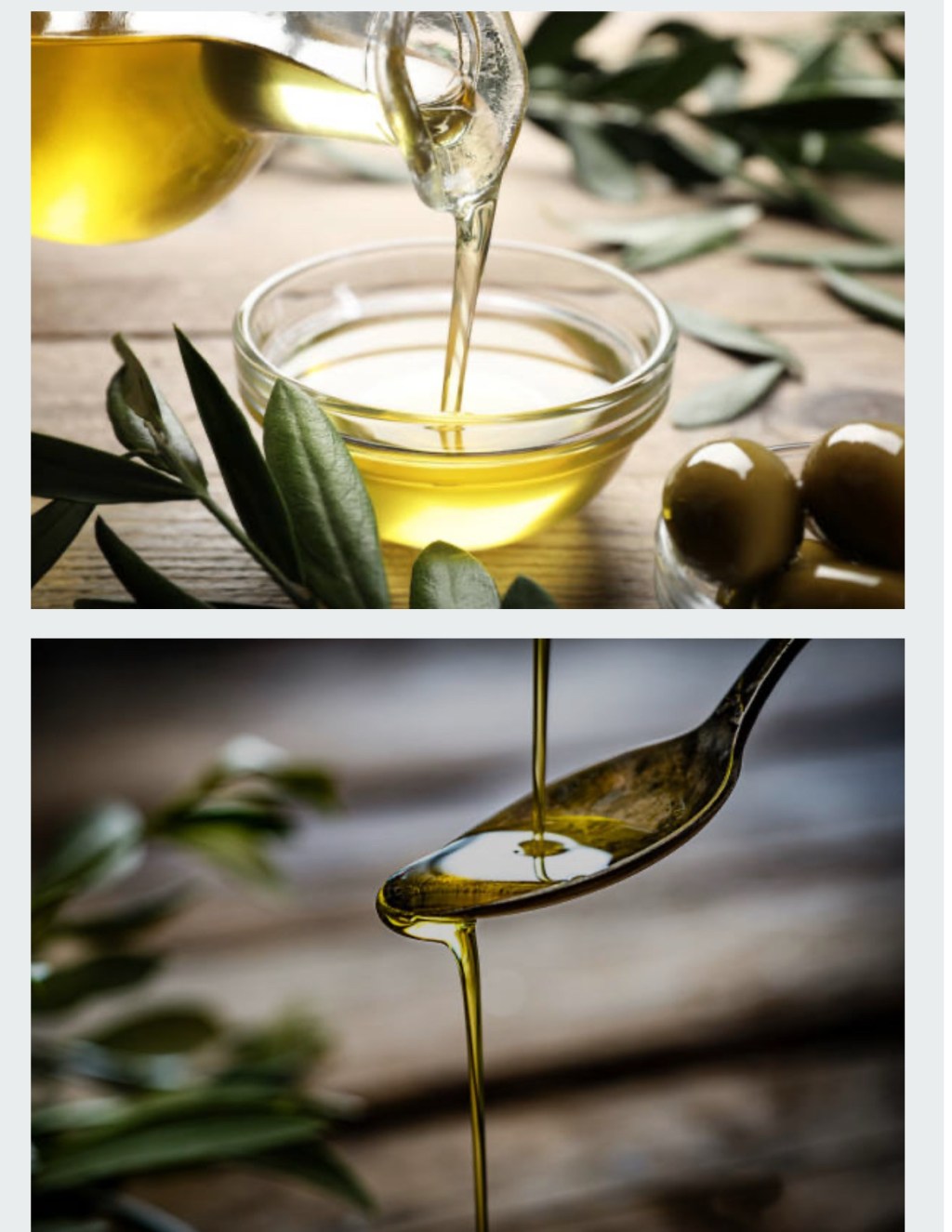
I have become something of an Olive oil evangelist over the past 2 years. I’ve known for a long time that its “good for you “, but never really understood the science behind it, and as you may be starting to realise if you follow my blogs, I love a bit of food science especially when its linked to our health and how our clever bodies use food to keep us healthy and thriving if we eat the right things.
My interest was piqued when I started to learn about how much research is being done around Olive oil.
Did you know that, amongst others, there is an organisation called World Olive Centre which funds research into the health-giving properties of Olive oil?
Some of their current projects include the study of how Olive oil could be used in the field of Diabetes, the study of Alzheimer’s, and many more.
To give you a bit of context, the Mediterranean diet is known to be one of the most beneficial ways of eating, and one of the features of this way of eating is the use of olive oil as the main fat (see My Simple Guide to the Mediterranean Diet)
Since studying the physiology of Menopause with Dr Wendy Sweet, I use Olive oil every single day and I use it on ingredients and with my cooking in ways I would never have thought about. The recommendation is to consume 30ml per day (2 tablespoons). Amongst other changes I have made to my food and lifestyle habits, I have noticed the most changes in terms of how my body functions when I don’t have olive oil, from cognitive function to joint pain and just my general feeling of well-being, I can tell my body is missing something.
As part of my studies about menopause nutrition, I read a fascinating book called Extra Virginity, The Sublime And Scandalous World of Olive Oil (I found it intriguing, but I realise it’s not for everyone!) It describes the very lucrative business of Olive oil which is very similar in some ways to the wine industry in terms of the pride of the producers, the expert tasting panels and judges that put their seal of approval on the various oils from all over the world. Like Wine, you can buy excellent high-quality extra virgin Olive oil and products at the opposite end of the spectrum. There is a lot of corruption and adulteration of olive oil and it is a bit of a minefield to find good products at a reasonable price, unfortunately. It’s harder to judge on the supermarket shelves than Wine.
However what I did not realise is that the natural chemicals in Olive oil responsible for its fabled health benefits are the key to finding a good product and there are some products available here in the UK that won’t break the bank, but this quote from the book is the thing that really made the penny drop for me in terms of why Olive oil really works and how it helps with chronic inflammation.
“A sharp sear came at the back of Gary Beauchamp’s throat, together with an overwhelming sense of deja vu. His eyes filled with tears and he started coughing convulsively, a Eureka! moment came of the kind scientists dream of…all triggered by one sip of extra virgin Olive oil “
From the book, I learned that Beauchamp holds a PhD in bio-physiology and directs the Monell Chemical Senses Centre in Philadelphia, and the epiphany described above has been fueling his research ever since 1999. The minute he felt that burn at the back of his throat he thought of Ibuprofen (which is of course a nonsteroidal anti-inflammatory) and having worked with pharmaceuticals and understanding that the sensory compounds (the taste chemicals) in any substance often tell you about its chemical makeup, he realised there must be a connection. The book goes on to explain the complex chemistry involved which I will not attempt to explain, but Beauchamp set to work breaking down the sample of Olive oil into its chemical components and tasting each one to see which one gave that very unique burn at the back of your throat as you swallow (not in the mouth).
Beauchamp and his team identified the compound and named it Oleocanthal (from the Latin words for “sting” “oil” and aldehyde… in case you are interested!) and it was found to be very similar to the chemical compound found in Ibuprofen which gives its anti-inflammatory properties. It was also found to make protein by-products associated with Alzheimer’s a target for our immune systems! This is only one of over one hundred polyphenols (plant chemicals which act as antioxidants and have many health benefits) vitamins such as Vitamin E and other compounds found in Olive oil. I hope you are starting to get the picture!
Many of the other polyphenols in Olive oil act as antioxidants and protect our cells from ‘oxidative stress’ which accelerates aging, so we can think of them as natural preservatives that protect the olive oil from oxidising and in turn prevent damage to our cells, our cardiovascular systems and many other bodily functions as we age.
If I have you hooked, I would highly recommend reading this book and buying yourself a good quality extra virgin Olive oil. It is hard for me to recommend one in particular, and I know there is a mind-boggling array on the supermarket shelves, which makes it very hard to choose, but educate yourself and understand what to look for and I would urge you to do the taste test on the olive oil you usually buy to see if it has the all-important burn on swallowing.
The other thing to look for is a dark glass bottle or a tin which protects the oil from sunlight which will cause oxidation, check the label and try to find a bottle which states that it is cold extracted, by mechanical means, superior quality, and from a single source e.g. from a single area of a specific country and even better from one single producer with their address (many will say they are from various sources in the EU).
Also, look at the date of harvest which should be 2024 (the new harvest is around October through to December depending on which country you are buying from), and the newer the product the more antioxidants will be present (they are volatile and will diminish over time). Also, look for the best before date which gives an indication of how old the oil is when you buy it. It will have a shelf life of between 18 to 24 months, but once opened you should consume it within 6 months (if you are using 30ml per day it will be used a lot quicker of course)
A good Olive oil can be quite expensive because the manual process is expensive, so if you are lucky enough to be able to afford to buy yourself a special bottle, or some kind person buys you one as a gift. Use it for drizzling onto your salads or dipping into with some delicious sourdough, but use it (don’t keep it for special occasions) as it will deteriorate and you will not reap the health benefits. Keep it in a cool dark place to prevent further deterioration.
Use a less expensive extra virgin Olive oil for cooking, yes you can absolutely use Olive oil for cooking, for sauteing or shallow frying and roasting vegetables for example, but the heat will destroy some of the polyphenols and you will lose some of the health benefits, but it is still better than using saturated fat.
I don’t feel I can do justice to this amazing oil or cover all the intricacies of choosing a good one in a relatively short blog, but I recommend doing your own research. I listened to a good podcast recently which does a good job of covering this subject, but I would just caution that the oils recommended by Elizabeth Bergen (founder of Frantoi) are expensive and I am aware that most people would not be able to buy them on a regular basis, but the podcast will give you a broad understanding of what to buy and why, click here to hear more about it: ZOE Science & Nutrition
The book referred to was Extra Virginity The Sublime and Scandalous World of Olive Oil by Tom Mueller.
Home – World Olive Center for Health – For more info on current research projects .
I’d love to hear from you if you have a favourite extra virgin olive oil, let me know in the comments below.
| Phone | Find out more about me | |
| Nicky@nickydearhealthcoach.com | 07407281148 | nickydearhealthcoach.com |
If you are interested in working with me, drop me an email or message or ring me for a free, no obligation chat, or take a look at the details of my 12 week progamme.





Leave a Reply